What Is Prenatal Yoga?
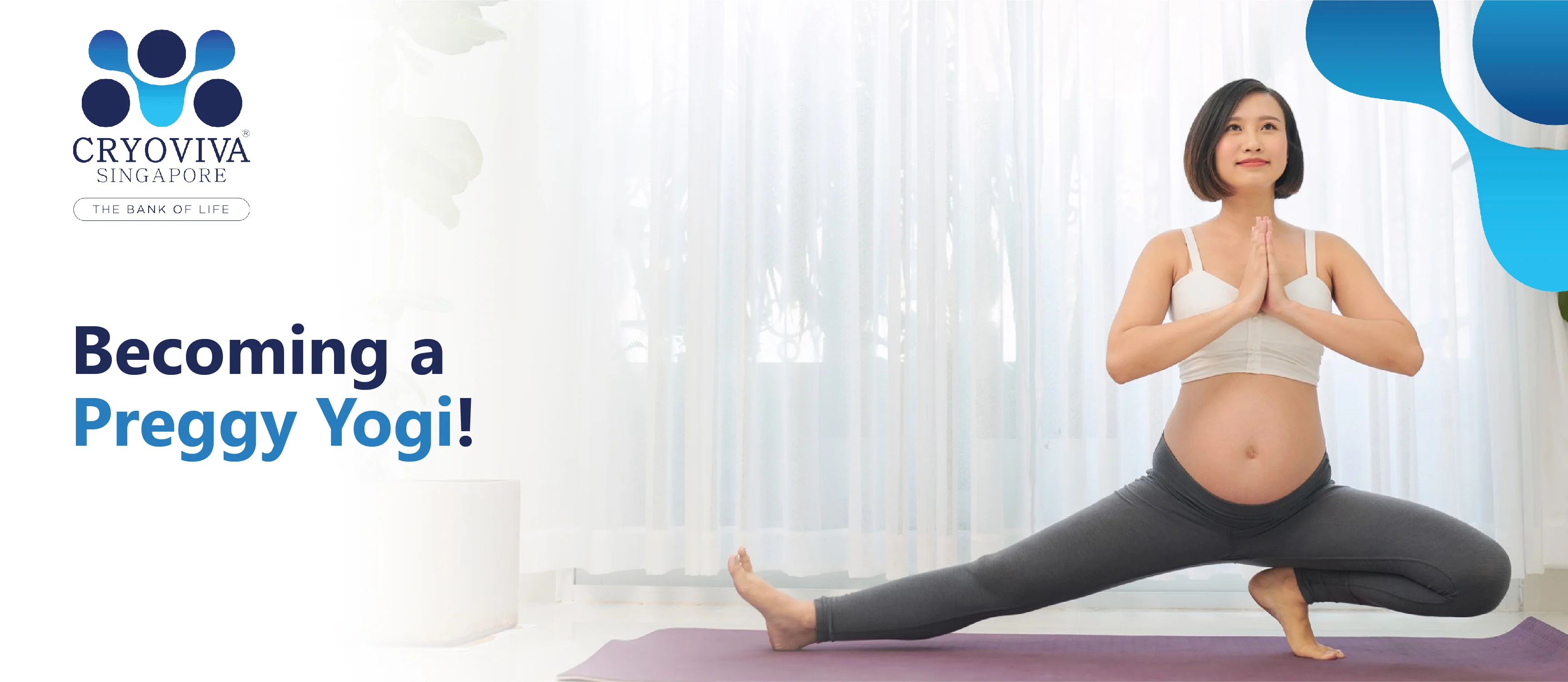
Prenatal yoga is a pregnancy-friendly exercise programme that focuses on gentle movements, controlled breathing, stretching and relaxation. Unlike regular yoga, it takes into account the physical changes happening in your body and modifies certain poses to make them more comfortable.
As your pregnancy progresses, your growing belly changes your centre of gravity, while hormonal changes can make your joints and ligaments more flexible. Prenatal yoga helps you adapt to these changes through controlled movements and appropriate modifications.
A typical prenatal yoga session may include:
- Gentle yoga poses: To improve flexibility, strength and balance.
- Breathing exercises: To help you develop controlled breathing and relaxation techniques.
- Meditation: To calm your mind and manage everyday stress.
- Relaxation: To release muscle tension and help you feel more comfortable.
The best part? You do not need to be a yoga expert to get started. Even beginners can explore prenatal yoga with guidance from a qualified instructor.
What Are the Benefits of Prenatal Yoga During Pregnancy?
Better sleep, reduced stress and anxiety, improved flexibility, better strength and endurance, reduced lower back discomfort, improved balance, better body awareness and improved circulation are benefits of prenatal yoga during pregnancy. It helps you stay active without putting unnecessary strain on your changing body.
Here are some potential benefits of practising prenatal yoga:
| Benefits | How it helps during pregnancy |
|---|
| Better sleep | Relaxation techniques may help you unwind and improve sleep quality. |
| Reduced stress and anxiety | Controlled breathing and meditation can promote mental relaxation. |
| Improved flexibility | Gentle stretching helps maintain flexibility in the hips, back and legs. |
| Better strength and endurance | Strengthening poses help prepare your body for the physical demands of pregnancy and childbirth. |
| Reduced lower back discomfort | Appropriate movements may help release tension in the lower back. |
| Improved balance | Yoga helps you become more aware of changes in your centre of gravity. |
| Better body awareness | You learn to understand your body's changing needs and limitations. |
| Improved circulation | Gentle movement encourages blood circulation and may help with pregnancy-related discomfort. |
Research also suggests that prenatal yoga may help reduce anxiety and fatigue and improve sleep. Some studies have reported positive associations with birth outcomes, including labour duration and the likelihood of certain delivery interventions. However, more research is needed, and prenatal yoga should not be considered a way to prevent pregnancy complications or guarantee a particular birth outcome.
Also Read:Hospital Bag Checklist
Best Prenatal Yoga Poses to Try During Pregnancy
Wondering which yoga poses are suitable when you have a baby bump? The good news is that several gentle poses can be adapted to your pregnancy stage.
Butterfly pose, cat-cow pose, child's pose, triangle pose, and side-lying relaxation pose are some of the suitable poses.
Here are some commonly practised prenatal yoga poses.
1. Cat-Cow Pose (Marjaryasana-Bitilasana)
If your lower back feels tired after sitting at your desk or spending time on your feet, the Cat-Cow pose may help release some tension.
How to do it:
- Start on your hands and knees, keeping your wrists under your shoulders and knees under your hips.
- Inhale gently as you lower your belly slightly and lift your chest.
- Exhale as you round your back and gently bring your chin towards your chest.
- Repeat the movement slowly for a few comfortable breaths.
This gentle movement encourages spinal mobility and stretches your back, shoulders and neck.
2. Butterfly Pose (Baddha Konasana)
The Butterfly pose is a gentle seated stretch that helps improve flexibility around your hips and inner thighs.
How to do it:
- Sit comfortably on a yoga mat or folded blanket.
- Bring the soles of your feet together.
- Allow your knees to fall gently towards the floor.
- Hold your feet or ankles without pulling them forcefully.
- Keep your spine comfortably upright and breathe slowly.
Avoid pushing your knees down. Let the stretch happen naturally.
3. Child's Pose (Balasana)
Child's pose is a relaxing position that gently stretches your back, shoulders and hips. During pregnancy, you may need to widen your knees to make room for your growing belly.
How to do it:
- Begin on your hands and knees.
- Widen your knees comfortably while keeping your toes together or slightly apart.
- Slowly move your hips towards your heels.
- Extend your arms forward or rest them alongside your body.
- Place a cushion under your forehead or chest if needed.
If your belly feels compressed or the position is uncomfortable, skip it.
4. Triangle Pose (Trikonasana)
The Triangle pose is a standing yoga posture that helps improve balance and gently stretches your legs, hips and sides of your body.
How to do it:
- Stand with your feet comfortably apart.
- Turn one foot outwards while keeping the other foot slightly angled.
- Extend your arms sideways.
- Gently reach one hand towards your thigh, shin or a yoga block.
- Extend the other arm upwards only if comfortable.
- Repeat on the opposite side.
Use a wall or chair for support if you feel unsteady.
5. Side-Lying Relaxation Pose
As your pregnancy progresses, lying flat on your back may become uncomfortable. Side-lying relaxation is a comfortable alternative, particularly during the later stages of pregnancy.
How to do it:
- Lie on your left side.
- Keep your legs comfortably positioned.
- Place a cushion between your knees.
- Support your head with a pillow.
- Relax your shoulders and breathe gently.
This position can help you relax and release tension after a gentle yoga session.
Prenatal Yoga Poses: What to Practise During Each Trimester?
Your body goes through different changes during each trimester, so your yoga routine should change accordingly.
| Pregnancy trimester | Yoga focus | Important considerations |
|---|
| First trimester | Gentle stretching, relaxation and maintaining comfortable movement | Avoid excessive stretching, forceful abdominal contractions and overheating. |
| Second trimester | Hip flexibility, balance and gentle strengthening | Avoid overstretching and prolonged positions that require lying flat on your back. |
| Third trimester | Relaxation, gentle mobility and supported poses | Use cushions, chairs or walls for support and avoid poses that affect your balance. |
Remember, these are general considerations rather than a fixed exercise prescription. Your comfort, pregnancy health and healthcare provider's advice should determine which poses are appropriate.
What Should You Avoid While Practising Prenatal Yoga?
While prenatal yoga is generally suitable for many healthy pregnancies, certain poses and styles may not be appropriate.
Here are some precautions to keep in mind:
- Hot yoga: Avoid Bikram yoga and other yoga sessions conducted in heated environments, as overheating during pregnancy can be harmful.
- Intense backbends: Avoid movements that put excessive pressure on your abdomen or lower back.
- Deep twists: Avoid forceful twisting movements, particularly those that compress your belly.
- Forceful abdominal exercises: Avoid strong abdominal contractions or movements that strain your core.
- Inversions: Avoid advanced inverted poses unless your healthcare provider and an appropriately qualified instructor have specifically assessed their suitability.
- Jumping and bouncing: Avoid high-impact movements that may affect your balance or cause discomfort.
- Prolonged lying on your back: Modify positions that require you to lie flat on your back, particularly after the first trimester.
Listen to your body. If a pose causes pain, dizziness or discomfort, stop immediately rather than trying to push through it.
Tips for Starting Prenatal Yoga in Singapore
If you are planning to join a prenatal yoga class in Singapore, a little preparation can make your experience more comfortable.
Here are some practical tips:
- Speak to your obstetrician first: Before starting any exercise routine, discuss your pregnancy health and exercise suitability with your doctor.
- Choose a certified prenatal yoga instructor: Look for someone trained to work with pregnant women and familiar with trimester-specific modifications.
- Start slowly: If you are new to yoga, begin with gentle movements and shorter sessions.
- Stay hydrated: Keep water nearby and drink regularly, especially in Singapore's warm and humid climate.
- Wear comfortable clothing: Choose breathable maternity-friendly clothes that allow you to move freely.
- Use supportive props: Yoga blocks, cushions, bolsters and chairs can make certain poses easier and more comfortable.
- Avoid pushing yourself: Pregnancy is not the time to compete with anyone. Take breaks whenever you need them.
You should also stop exercising and seek medical advice if you experience vaginal bleeding, fluid leakage, dizziness, chest pain, unusual breathlessness, painful contractions or other concerning symptoms.
Is Prenatal Yoga Safe for Every Pregnant Woman?
Prenatal yoga can be a suitable form of physical activity for many women with uncomplicated pregnancies. However, it is not automatically safe for everyone.
If you have a high-risk pregnancy, a history or risk of premature labour, certain medical conditions, or pregnancy complications, consult your obstetrician before joining a class.
Women carrying twins or experiencing other pregnancy-related concerns may also need an individually tailored exercise plan.
If you have never exercised before, do not worry. You can discuss beginner-friendly options with your healthcare provider and start with suitable movements under professional guidance.
Also Read:The importance of space for pause: why mindfulness is essential for happiness
Frequently Asked Questions About Prenatal Yoga
1. When can I start prenatal yoga during pregnancy?
You can discuss starting prenatal yoga during your first trimester, provided your healthcare provider confirms that exercise is suitable for you. The poses and intensity should be adapted as your pregnancy progresses.
2. How many minutes should I practise prenatal yoga?
The duration depends on your fitness level, pregnancy stage and doctor's advice. Beginners can start with shorter sessions and gradually adjust. Avoid exercising to exhaustion, and take breaks whenever necessary.
3. Can beginners practise prenatal yoga?
Yes. Beginners can practise prenatal yoga under the guidance of a qualified instructor. Start with simple poses, gentle stretches and breathing exercises rather than attempting advanced yoga movements.
4. Does prenatal yoga help with normal delivery?
Prenatal yoga may help improve strength, flexibility, relaxation and body awareness, which can support your preparation for childbirth. However, it cannot guarantee a vaginal delivery or prevent the need for a C-section.
5. Which yoga poses should I avoid during pregnancy?
Avoid hot yoga, forceful abdominal exercises, deep twists, intense backbends, advanced inversions and poses that cause discomfort or affect your balance. Certain positions may also need modification as your pregnancy progresses.
6. Is prenatal yoga safe during the third trimester?
Many women with uncomplicated pregnancies can continue modified prenatal yoga during the third trimester. However, gentle movements, supported positions and relaxation exercises are preferable. Always follow your healthcare provider's advice.
Conclusion
Pregnancy is a beautiful journey, but it also asks a lot from your body and mind. Prenatal yoga can be a gentle way to stay active, improve flexibility, build strength and find moments of relaxation amid all the changes.
Whether you are trying the Cat-Cow pose at home or joining a prenatal yoga class in Singapore, remember that the goal is not to master every pose. It is to understand your body, move comfortably and enjoy a healthier pregnancy journey.
Before you become a preggy yogi, speak with your obstetrician and choose a qualified prenatal yoga instructor. With the right guidance and precautions, you can make gentle movement a positive part of your pregnancy wellness routine.
Disclaimer: Prenatal yoga may not be suitable for every pregnancy. Consult your obstetrician before starting any exercise routine. Practise under qualified guidance and avoid uncomfortable movements.
Medical reference sources for fact-checking: